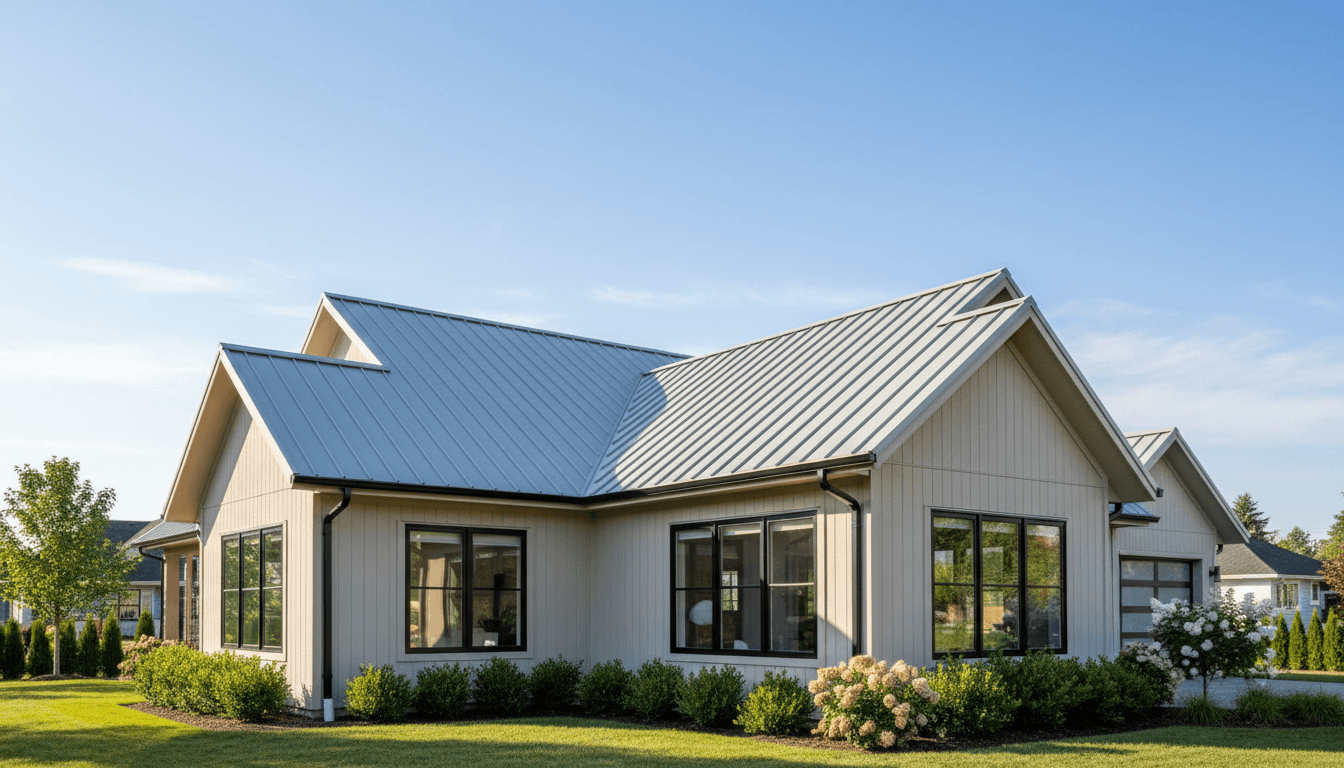

Homeowners should check for missing shingles, attic leaks, and granule loss to ensure their home is prepared for winter weather. A professional roof inspection Lee's Summit identifies these vulnerabilities early, preventing ice dams and costly structural repairs during the coldest months.
As the crisp Missouri autumn settles over Lee's Summit, homeowners often focus on lawn care and furnace checks, yet the most critical line of defense remains largely ignored. Neglecting your roof during these transitional months can lead to catastrophic failures once the first heavy snowfall arrives; a minor oversight today often evolves into an emergency repair in the dead of winter. At Galaxy Roofing, we understand that our local climate places unique stress on residential structures, from rapid temperature fluctuations to high wind events. Protecting your investment requires more than a casual glance from the driveway. In this guide, we will detail seven critical warning signs that indicate your roof needs professional attention before the frost sets in. You will learn how to identify shingle deterioration, flashing vulnerabilities, and subtle interior cues that suggest your home is at risk.
Why Lee's Summit Homeowners Cannot Ignore Fall Roof Maintenance
In Lee’s Summit, the transition from late summer to the onset of winter is more than just a change in scenery; it is a period of intense physical stress for your home. Missouri summers are notorious for high humidity and blistering heat, which causes roofing materials to expand. When the temperature drops rapidly in the fall, those same materials contract. This cycle of thermal expansion and contraction can loosen fasteners, compromise sealants, and exacerbate existing hairline cracks in shingles.
Securing a professional roof inspection in Lee's Summit before the first frost is the most effective way to identify these structural vulnerabilities. Waiting until a January blizzard hits to discover a leak often means dealing with a full-blown emergency when repair crews are at their busiest and conditions are most dangerous. By catching minor issues now, you prevent the freeze-thaw cycle from turning a small gap into a major path for water intrusion.
Galaxy Roofing, located at 200 NE Missouri Rd, has spent years navigating these specific local weather patterns. Our team understands how our regional climate impacts different roofing systems, from traditional asphalt to architectural shingles. We provide the technical expertise needed to ensure your home remains a dry, secure environment throughout the harshest Missouri winters.
1. Curling, Cracked, or Missing Shingles
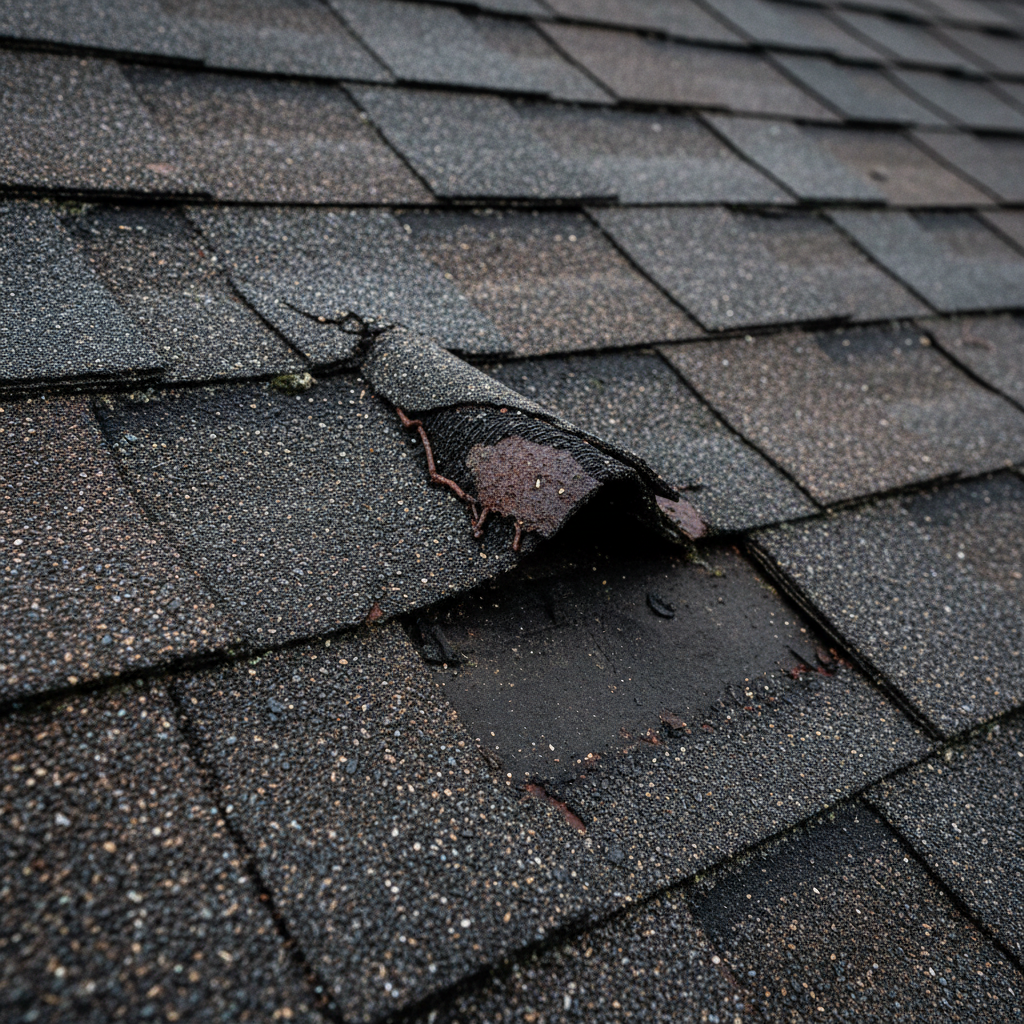
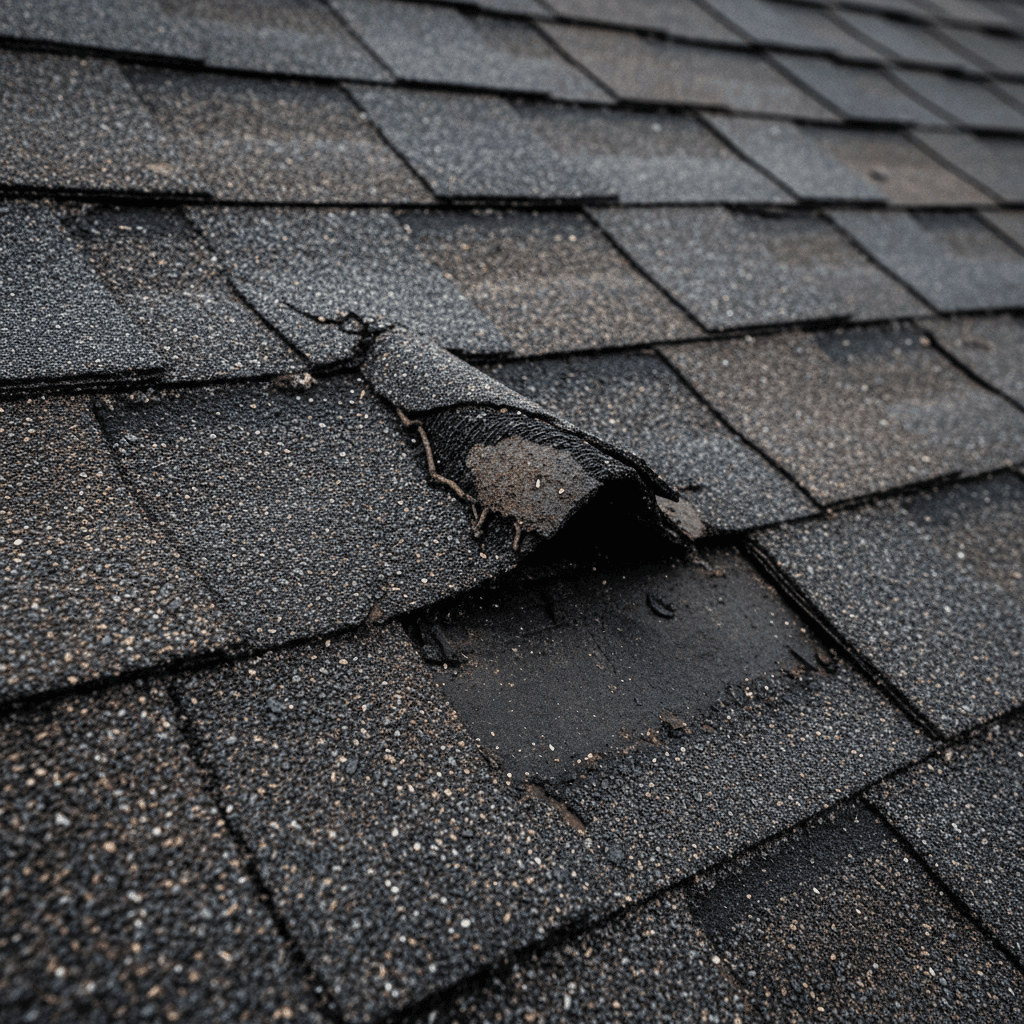
The physical toll of Missouri weather is most visible on your shingles. In Lee’s Summit, asphalt shingles undergo relentless stress as they battle 90-degree summer days followed by sharp autumn drops. Over time, this causes the material to lose its flexibility and become brittle. You may notice shingles that are cupping, where the edges turn upward to form a bowl shape, or clawing, where the edges remain flat while the center bulges. Both conditions indicate that the shingle has reached the end of its functional lifespan and can no longer effectively shed water.
A single missing shingle might seem like a minor cosmetic issue, but it represents a significant breach in your home’s armor. During a typical Missouri winter, snow accumulates on the roof and slowly melts from the bottom up due to rising attic heat. That meltwater travels directly into the gap left by a missing shingle, soaking the wooden roof deck and leading to rot or interior leaks. A comprehensive roof inspection in Lee's Summit by the team at Galaxy Roofing identifies these compromised shingles before they allow moisture to bypass your primary drainage layer.
2. Granules Accumulating in Your Gutters
While clearing out your gutters this fall, take a close look at the sediment mixed with the fallen leaves. If you find a layer of fine, sandy grit, you are seeing the protective granules that shield your shingles. These granules are ceramic coated minerals designed to deflect UV rays and provide fire resistance. Finding a significant accumulation in your downspouts is a critical red flag. Think of these granules as the skin of your roofing system. Once they slough off, the underlying asphalt is exposed to the elements. This exposure leads to rapid deterioration, as the sun’s rays bake the unprotected material, causing it to become brittle and prone to leaking.
This phenomenon is particularly common in established Lee’s Summit neighborhoods where homes may still have their original roofing from 15 or 20 years ago. A roof inspection in Lee's Summit by Galaxy Roofing can determine if the granule loss is normal wear or a sign of accelerated failure. Identifying this shedding early allows you to plan for a replacement before the winter freeze causes the exposed asphalt to crack under the weight of snow.
3. Damaged or Rusted Flashing Around Chimneys and Vents
While shingles cover the majority of your home, the most vulnerable points are the transitions where the roof meets chimneys, dormers, and exhaust vents. Flashing is the thin metal sheeting installed at these joints to create a watertight seal. In Lee’s Summit, these intersections are prime targets for ice dams. When heavy snow accumulates against a chimney, the warmth from the house causes the bottom layer to melt and then refreeze, creating a pool of water that exerts constant pressure on the flashing joints.
During a roof inspection in Lee's Summit, the team at Galaxy Roofing scrutinizes the condition of this metal carefully. Homeowners should look for sealant that has become brittle or cracked under the summer sun, or metal that has physically pulled away from the brickwork. Rusted flashing is particularly dangerous; it indicates the protective galvanization has failed, meaning moisture is likely already seeping into the structural framing. Addressing these gaps now is vital before winter snow loads force water into your living space.
4. Interior Ceiling Stains and Attic Moisture
While external issues like compromised flashing are critical, the first signs of roofing failure often manifest inside your home. A small, faint brown water spot on an upper story ceiling might seem insignificant during a dry autumn; however, it is a definitive indicator of a breach. Once winter sets in and ice dams form, this minor drip can transform into a significant flood as backed-up meltwater is forced through the existing compromise in your roofing system.
Inside the attic, the warning signs are even more transparent. Homeowners should safely inspect their attic spaces for any pinpricks of daylight peeking through the roof deck, which signals a clear path for moisture intrusion. Additionally, check for damp, matted, or discolored insulation. Wet insulation loses its R-value, meaning your home loses heat, but more importantly, it indicates active leaks or inadequate ventilation that traps humid Missouri air. A professional roof inspection in Lee's Summit conducted by Galaxy Roofing examines these internal indicators to determine if the issue is a direct puncture or a symptom of poor airflow. Identifying these attic hazards before the first heavy snowfall is essential for maintaining structural integrity and preventing mold growth.
5. A Sagging Roofline
A sagging roofline is one of the most urgent indicators of a failing system. While a wavy appearance can sometimes be attributed to poor installation, it more frequently signals significant structural damage or long term water infiltration that has rotted the underlying decking. When the plywood or OSB boards beneath your shingles become saturated, they lose their rigidity and begin to dip between the rafters.
This structural compromise is particularly dangerous in Lee’s Summit, where winter storms can deposit heavy, wet snow. A roof that is already sagging is at a much higher risk of catastrophic collapse under these additional snow loads. The weight of just a few inches of Missouri slush can exceed the load bearing capacity of a weakened frame. During a roof inspection in Lee's Summit, the experts at Galaxy Roofing evaluate the straightness of the ridge and the integrity of the deck. Identifying these structural depressions now, before the weight of winter sets in, is the only way to prevent a total roof failure.
6. Clogged or Sagging Gutters
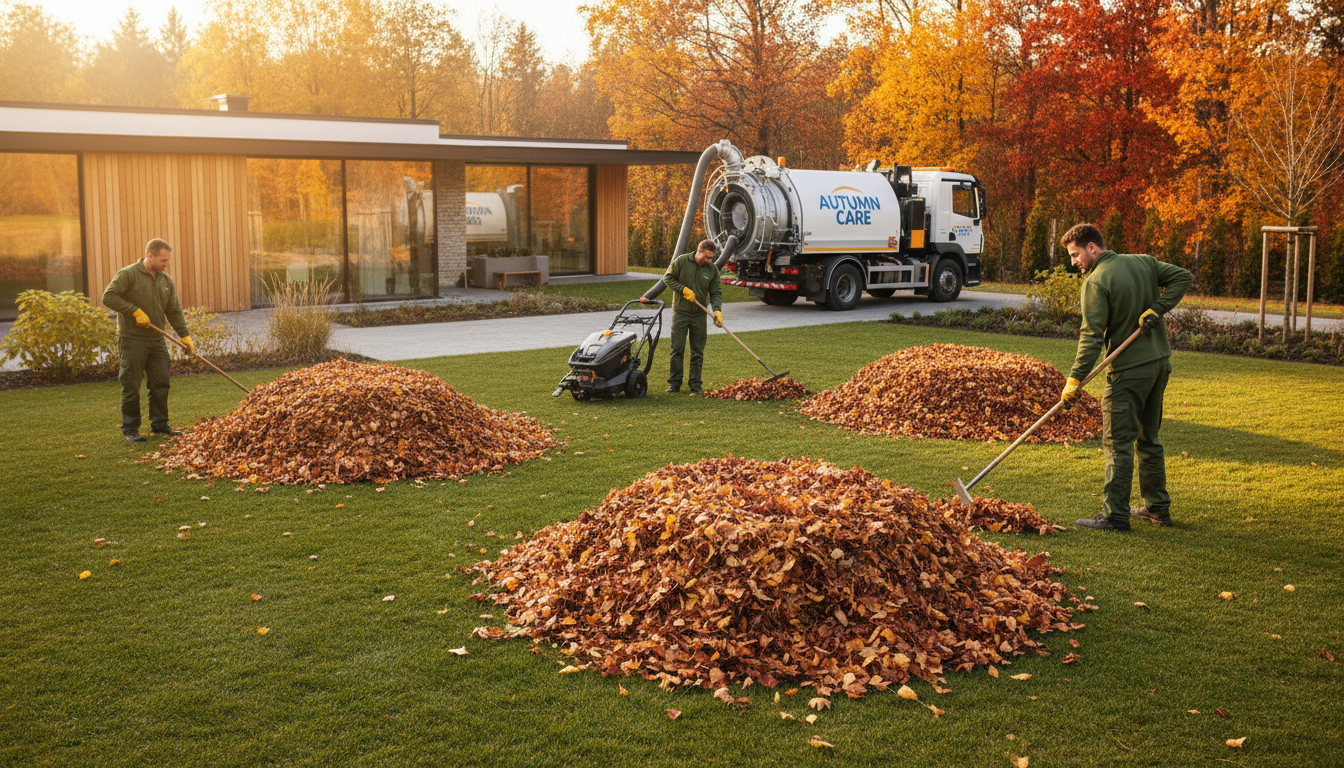
While a sagging roofline indicates structural failure, your gutter system serves as the critical drainage layer for the entire assembly. When gutters are packed with autumn debris, they lose their ability to channel water away from the foundation and roof edge. In Lee’s Summit, this is a primary driver of ice dam formation. As temperatures fluctuate, trapped water in a clogged gutter freezes into a solid mass. When subsequent snow on the roof melts, it hits this ice barrier and has nowhere to go but up.
The physics of an ice dam involves water backing up under the lower courses of shingles, where it bypasses the underlayment and enters the fascia boards or the interior soffit. This process eventually leads to rotted eaves and ceiling leaks. A professional roof inspection in Lee's Summit by Galaxy Roofing includes a thorough assessment of gutter pitch and fastener integrity. We ensure that your drainage system is prepared to handle heavy Missouri meltwater, preventing the hydrostatic pressure that forces moisture into your home’s structural components.
7. Sudden Increases in Monthly Energy Bills
An unexpected spike in your utility bill during the first cold snap is often the first financial symptom of a failing roof. While many homeowners blame their furnace or windows, a compromised roofing system is a frequent culprit. In the Missouri winter, your attic should act as a thermal buffer. If sealants have failed or shingles have pulled away, warm air escapes your living space and vents directly through the roof. This heat loss forces your furnace to cycle more frequently to maintain a consistent temperature, driving up monthly costs significantly.
A professional roof inspection in Lee's Summit moves beyond the surface level to evaluate what Galaxy Roofing calls the attic ecosystem. This includes checking for blocked soffit vents or damaged ridge vents that prevent proper airflow. When ventilation is restricted, moisture from your home becomes trapped, dampening your insulation and stripping it of its thermal resistance. Our technicians examine these internal components to ensure your home retains heat efficiently, protecting both your comfort and your wallet throughout the peak of the heating season.
The Local Advantage: Why a Professional Roof Inspection in Lee's Summit is Different
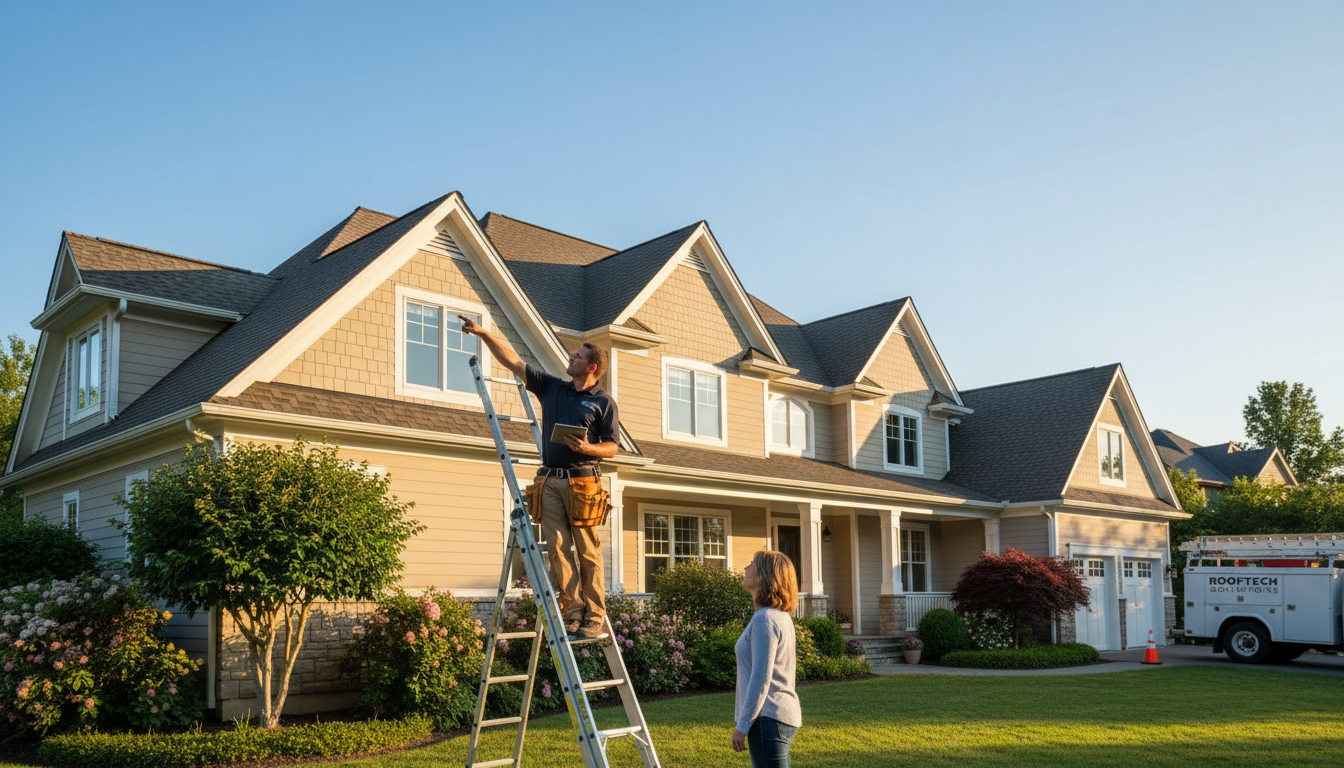
Stepping out onto the driveway to squint at your shingles with a pair of binoculars is a good starting point, but it rarely reveals the full story. A ground level view cannot identify the subtle textural changes in asphalt or the hairline fractures in flashing that precede a major leak. A professional roof inspection in Lee's Summit conducted by Galaxy Roofing employs a multi layered diagnostic approach. We use high resolution drone photography to document hard to reach peaks and moisture meters to detect water trapped deep within the substrate, well before it stains your ceiling. Our technicians perform physical manual checks to verify that shingle seals remain intact against Missouri’s high winds.
Because our office is located right at 200 NE Missouri Rd, we possess an intimate understanding of Lee’s Summit building codes and the specific weather patterns affecting our local neighborhoods. We know which areas are more prone to wind shear or heavy frost accumulation. Our team is available Monday through Saturday from 8:00 AM to 7:00 PM to ensure your home is prepared for the seasonal shift. By choosing a local specialist, you gain a partner who is invested in the long term resilience of the community’s housing stock.